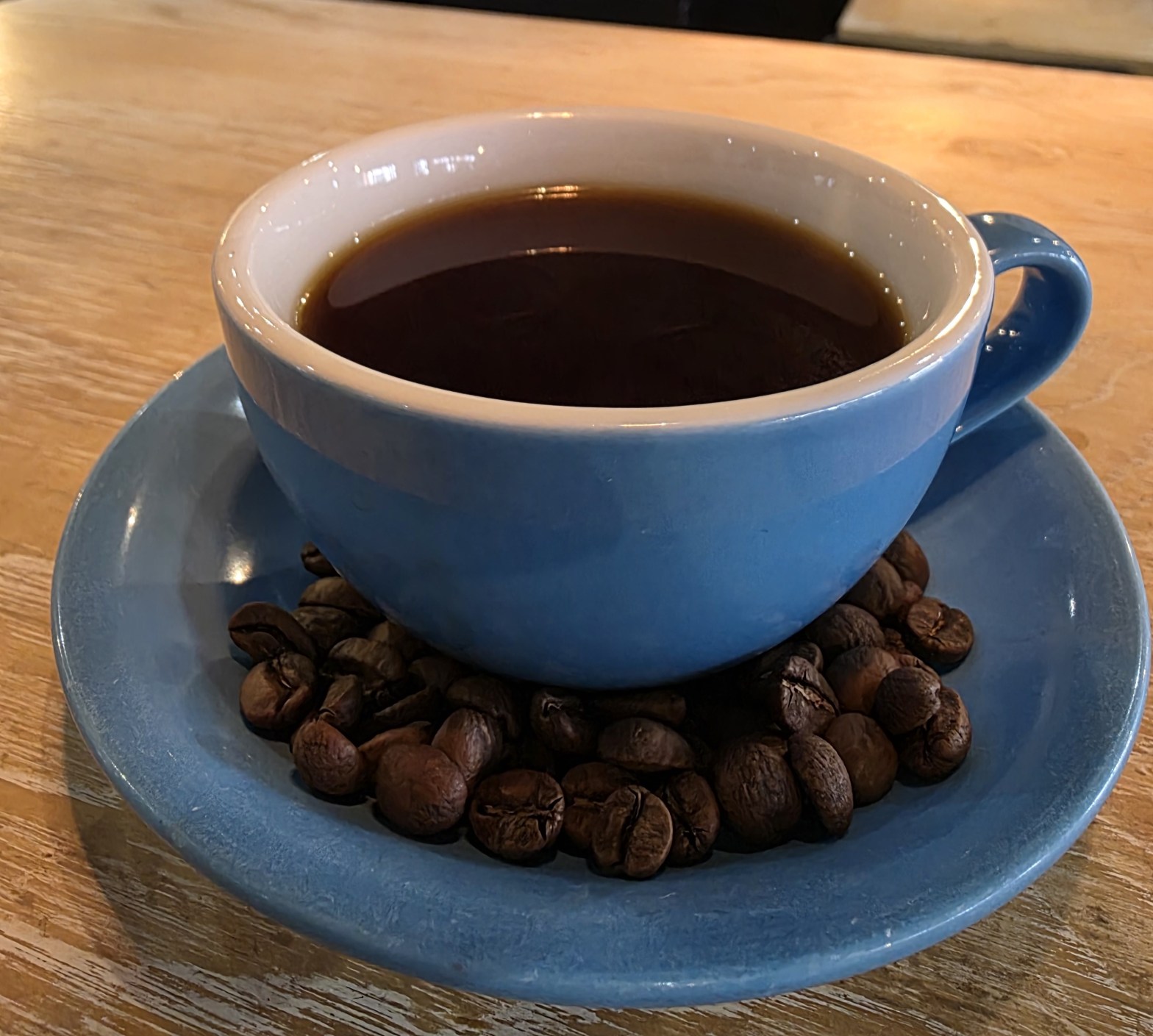
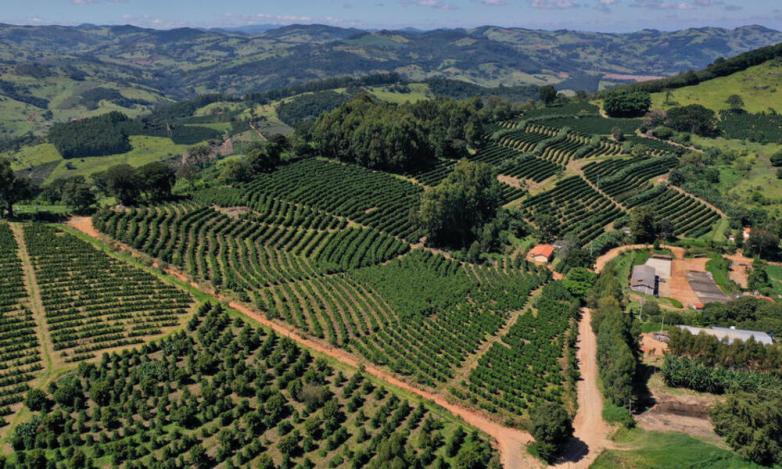
For coffee, life starts long before that espresso shot is pulled, or that filter is brewed. It begins to see life as the small, flowing, shrub-like plant ‘Coffea’. This wonderful plant is responsible for producing the seeds we know as ‘coffee beans’, inside the mostly brilliant red fruits that ripen on the branches. There are two main species of coffee plant grown, Coffea Arabia, and Coffea Canephorna (commonly known as Robusta). With Arabica being traced back to origins in Ethiopia, and Robusta having its roots in much lower altitudes. Initially being discovered in the Democratic Republic of the Congo. The ability to be grown in lower altitudes led to the rise of Robusta in the commercial coffee market, as it’s cheaper to grow and therefore purchase. However, with this comes a much harsher and less complex taste. To this day I don’t believe, (and I may be wrong to assume) that there is any Robusta on the market that can be dubbed a specialty coffee. That title belongs to the Arabicas of the world, but does that mean ALL Arabicas are good?
To put simply, no. Just because what you’re drinking is of the Arabica species, does not mean it
can’t be, well, poor. It’s more nuanced than just the overall species unfortunately, as you have
varietals, altitudes, climates, processes, roasting, and even brewing, to think about. But that’s
for another day. Today is about learning broader terms. Arabica is used as a sign of quality by
many a coffee shops, fast food chains, and even in instant coffee, and honestly there is a
reason for it.
Arabica coffee is usually less bitter, with a beautifully balanced acidity, and allows the more
gentle flavours to be showcased. With the exact balance of that being down to the different
processes mentioned above. Giving the growers and processors the ability to be creative with
their coffees. That being said, the commercial market and specialty market are two different
worlds, you cannot compare the coffee of a fast food chain to the coffee of a third
wave/independent coffee shop. But while a perfect Robusta may outperform a mid Arabica, it can never compete with the top tier Arabicas of the world.
Now in the interest of being at least a little impartial, there is a case for Robusta. It just isn’t taste. Robusta crops have a much higher yield, meaning they’re cheaper to pick up, and on top of that, do actually contain higher amounts of caffeine, so if you’re just looking for a cheap hit of ‘strong’ coffee, then you may even prefer the Robusta. As well as that, Robusta can also be used in blends alongside Arabicas to still achieve a generic safe and solid tasting coffee. Letting the companies and people producing it to save that little bit of money that can make such a difference to smaller ventures. With companies such as Black Sheep Coffee specifically
advertising that they sell Robusta coffee.
My main goal today was to give you a small insight of the nuances of coffee making I want to
explore and share with you. Giving you a foundation to build your tastes and beliefs on. It is
valid to enjoy whichever you enjoy more. However, talking in broad strokes, if you want a quality cup of coffee, prioritising taste over a cheap hit of caffeine, then Arabica will always take the crown as the king of specialty coffee.
I want to keep diving into what goes into creating a great cup of coffee, and so will be walking you through as many aspects of creating the flavours we adore. With the next either being about varietals and what the hell that means, or the roasting process and how it can have such an impact on flavour. So until then I encourage you to go out and explore what it is you’re drinking, and if you can notice any patterns in what you enjoy the most.



 acaseforcoffee