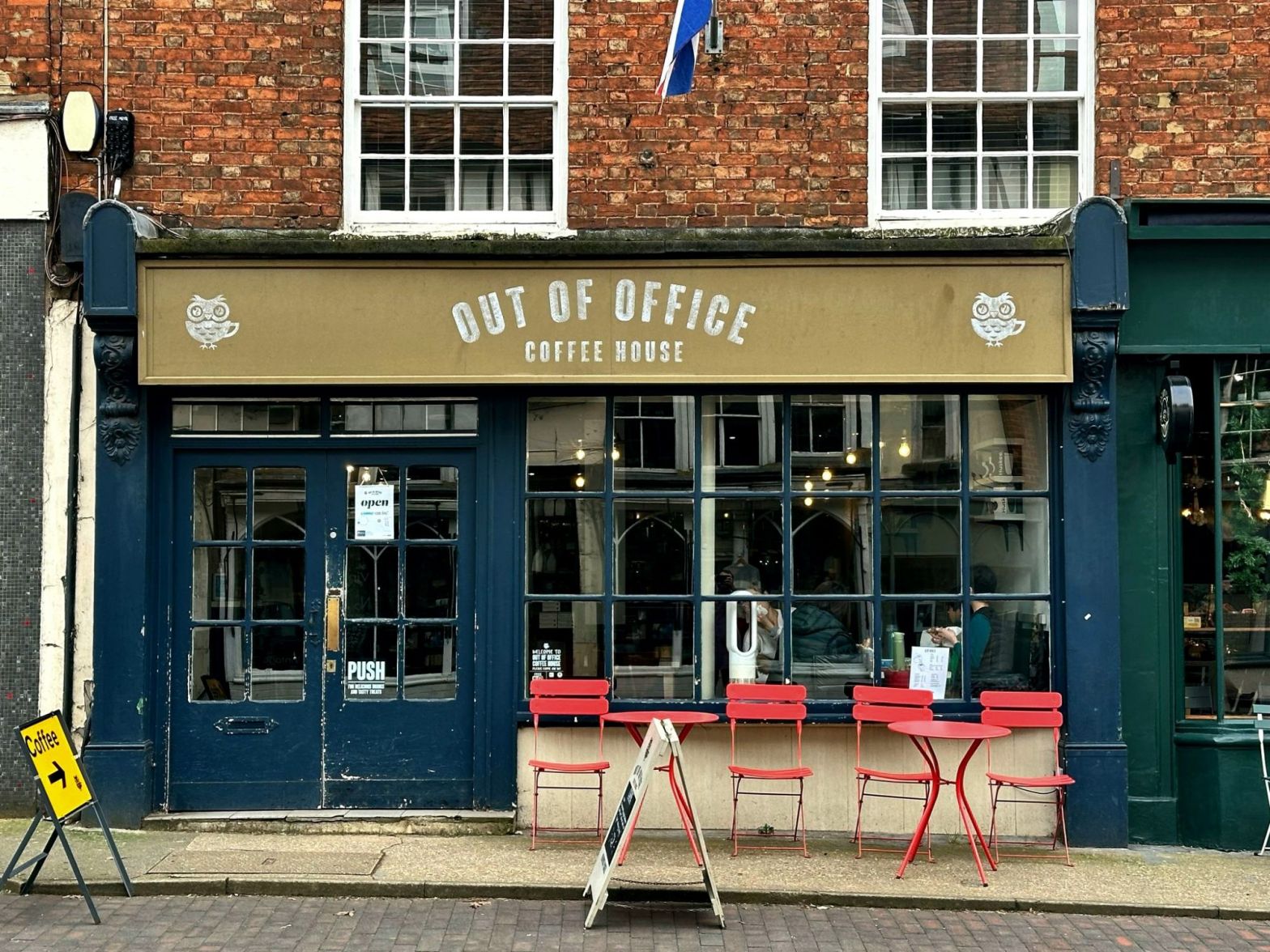
One winter I found myself out with my family, it was cold, raining, and generally a dreary day. Safe to say I wasn’t having the best of times being out instead of curled up at home nice and cosy. When finally I saw a beacon of hope, a coffee shop! Glad to get some warmth into me, I ordered my usual flat white that I have when going somewhere new, and excitedly awaited my prize. Just to open the lid to see what can only be described as an americano with a splash of milk at best. That day I learnt a hard lesson; not all coffee shops were created equal!
Going somewhere new can always be daunting, and there’s a lot of shops out there serving coffee nowadays, so, how can you tell if the one you’re looking at is any good? How can I tell which shops use commercial instead of specialty coffee? We can begin by recognising the big brands, and understanding that they ARE commercial users. Starbucks, Costa, Cafe Nero, they are all commercial chains and so use these coffees. So, what is the alternative? Specialty or third wave coffee shops are your answer
To begin, let’s not confuse specialty and independent. There are plenty of specialty coffee shops that have multiple stores, and are therefore chains. The difference is the coffee used, and what their coffee philosophy is. Third wave coffee is a term used to describe this current era of coffee consumption. The first wave was the mass production of coffee, focusing on quantity completely, disregarding quality. The second wave being the rise of big commercial chains introducing a better quality of coffee while still keeping costs low. Finally we land in the third wave, the rise of specialty coffee, concentrating on the intricate flavours that can be created through traceable sourcing and a more scientific approach to roasting. Now the term is synonymous with good quality coffee across the world.
Speaking of traceability we move into our first thing to look out for. Traceable coffee is considered important as it is a way to verify both the quality of the lot grown, as well as giving us an insight into the kind of flavours we can expect. This is the strength of single origin coffee. Simply put, single origin refers to coffee made up from one specific farm only. This also gives us a little bit of consistency as we can have a very general sense of the quality and tendencies of certain varieties of the coffee plant. This unfortunately comes with higher costs, as proof is needed to ensure the coffee is what the exporters claim it is, and greater quality coffee costing more in general. This is where blends come into play. A blend is a coffee made up of multiple lots of coffees, usually limited to two or three different coffees. While blends are valid, a majority of specialty coffee is single origin. This is because when you create a blend you take away from unique characteristics of the beans, creating a more consistent, if perhaps boring coffee. It is also cheaper as roasters can pad a small amount of quality beans with cheaper ones, making their money go further. Remember traceability is desirable!
Next up we have cup size! This is something that gets a little overlooked by commercial coffee drinkers. As I’ve mentioned before espresso based coffees traditionally have set recipes, recipes that produce a set serving size. Commercial coffee shops moved away from this, and offered more and more volume to their drinks, mostly to allow the milk that goes into most of them to cover up the harsh bitterness of their coffees, as well as a few other reasons. However by moving away from the recipes of these drinks, they become something else. A flat white for example, is considered stronger than a latte, but it is not the coffee that goes into it that creates this extra “strength”, but a higher ratio of coffee to milk. Hence it is a 6oz drink. If you ask for a “large” flat white, or being served one bigger than this, that ratio shifts, and you end up with a latte. A specialty coffee shop should always follow these recipes. No cappuccinos large enough to fit a small boat!
There’s also plenty to learn from watching how your coffee is being made. Did your barista weigh the coffee out? Did they properly tamp it? Did they keep track of extraction time? All of this will dramatically change the taste of your coffee, so it’s important information to keep track of. Yet it isn’t always done. This creates inconsistencies in coffee, and more importantly can lead to a very bad cup. If a shot is over-extracted you end up with a harsh bitterness and ashy taste to your coffee, similarly if it is under-extracted you end up with a more sour and bland tasting drink. This shows the importance of staying in that sweet spot. If they don’t do these things it’s not necessarily their fault, some shops, especially commercial coffee shops, value speed over quality, and so don’t teach or promote their baristas to do this. I want to talk more about owners investing in their baristas in a later post so I’ll leave that bit here for now.
My next bit of advice is an important one; ask questions! If you want to try a filter for example ask them what they have in the hopper, if they can’t tell you, or they have a generic blend, it’s probably a safe bet to have lower expectations. Personally if I’m unsure of a shop I’ll start with a milky drink, usually a flat white, to get a basic idea of what they’re like, and whether they follow the traditional recipes or not. Then if that passes, I’ll be happy to try an espresso or filter. Special mention for those that offer pour overs, and other brewing methods. This can really make a stand out coffee experience, especially if they’re taught well!
Finally, as the times progress we can have a more technical method of finding these shops, with apps such as “Best Coffee” being released. This can be a decent measure of a shop, as they only include one’s that they have sampled themselves. Unfortunately, a limited number of shops can gain access as of right now due to the sheer quantity popping up, and limited testers to sample them. Long story short, it’s not make or break if a shop isn’t on the app – there’s plenty of great ones that may never get onto the platform but it is something to keep in mind if you want a safe bet.




 acaseforcoffee