
There’s a lot of things in the process of creating the coffee we drink that affect the taste, none perhaps more than the roasting process. This is a pivotal stage in creating the flavours that we want to highlight with any given coffee, and can ultimately ruin a coffee like no other moving part. This is where a roaster can put their own ideals of how a coffee should taste on the green beans that are delivered to them. Each roaster having their own opinions and tastes, allows the creativity I personally love to see in the industry. Two roasters given the exact same beans, from the exact same lot, can produce two vastly different results! So, where can we possibly start to break down such an important stage of the life of a coffee bean?
First up, we’ll start with what actually happens in the roasting process. During this time the raw coffee beans are essentially exposed to heat, often in the form of hot air being circulated through a drum or bed. This forces the water to evaporate, and the process of gaining that signature brown colouring begins. The paper-like skin of the bean begins to break and peel off, aided by the turning of the drum and circulation of hot air this parchment is shedded and removed by the roaster. This is all done very quickly in comparison to the rest of the process, and is an extremely important part of the procedure. Once the water is most driven out, there’s a build up of gases inside of the bean which lead to what is called the “first crack” and creates a sound similar to the popping of popcorn! This is where the process is slowed down and the flavours we recognise begin to develop. Once the roaster is happy with it they can choose to end it, with how long they wait dictating whether it’s considered a lighter roast or a darker one.
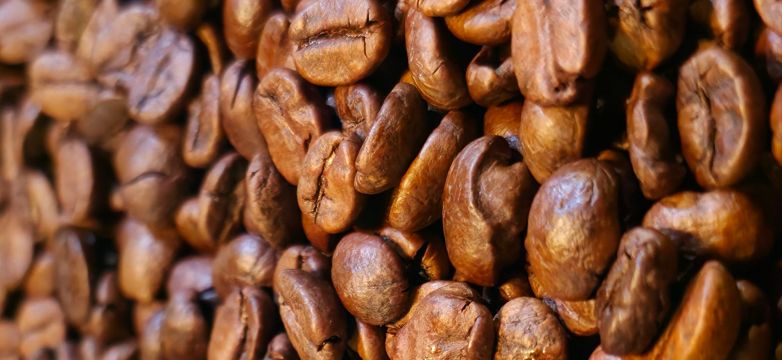
This next stage is the development stage, this is where the coffee beans begin to develop the aromas, tastes, and colour of the coffee beans. The exact time and heat distribution is up to the roaster, and it is what is referred to as a roast profile. For example, if an individual wants to create a more delicate tasting coffee highlighting the natural flavours of the coffee they will roast it for a shorter time, while dropping the temperature after the first crack, not letting it develop for too long. However, others may like their coffee to have a more bitter and harsh taste, and so continue to roast at higher temperatures fairly long after the first crack, often until a second crack can be heard, producing a darker roast, named as such because the beans literally get darker the longer you roast, until eventually the coffee beans are burnt. Here a heavier bodied coffee is created, losing most, if not all, of its natural acidity and complexity. It’s because of this most specialty coffee has a lighter to medium roast, allowing the complexity of the coffee to shine, and individual traits of the varieties to come through. Honestly, in my opinion, while a dark roast is completely valid, using high quality specialty beans for it just feels like a waste. It’s like buying a supercar for a five minute trip down the road, desirable, but pointless.
Finally, the beans are rapidly cooled to avoid over roasting, often misted with water to cool down the batches. This is called quenching. This can be done with cool air alone, and will aid in the coffee lasting a little longer, but isn’t realistic in large quantities. All in all, the entire process can range from as short as 8 minutes to as long as 20!
With that out of the way, I want to talk about the key changes in flavour that occur in roasting. To keep it simple, it’s agreed that the longer the coffee is roasted, the more bitterness you create, as well as a heavier body. While the acidity is the opposite way around, with longer roasting removing much of it. A balance must be found by the roaster to create the coffee they wish to present. Sweetness is a little more complicated as it rises and falls throughout the process, showing just how much a roaster has to think about going into this.
It’s important to note that this is an extremely simplified explanation of roasting. It really is an extremely intricate and complex process that involves many hours of trial and error, as well as computers, machines, and a keen mind. Because of this it really is an art as well as a science, trading brush strokes for graphs and philosophy. I’m looking to build a list of roasters that I have personally used and trust, however, that doesn’t mean ones missing are bad, I’m only one man and there is a LOT of coffee to be drunk!
As always I encourage you to explore the different roasting styles and find what you enjoy the most. Once you know, it will make finding a coffee you will enjoy that little bit easier!




 acaseforcoffee