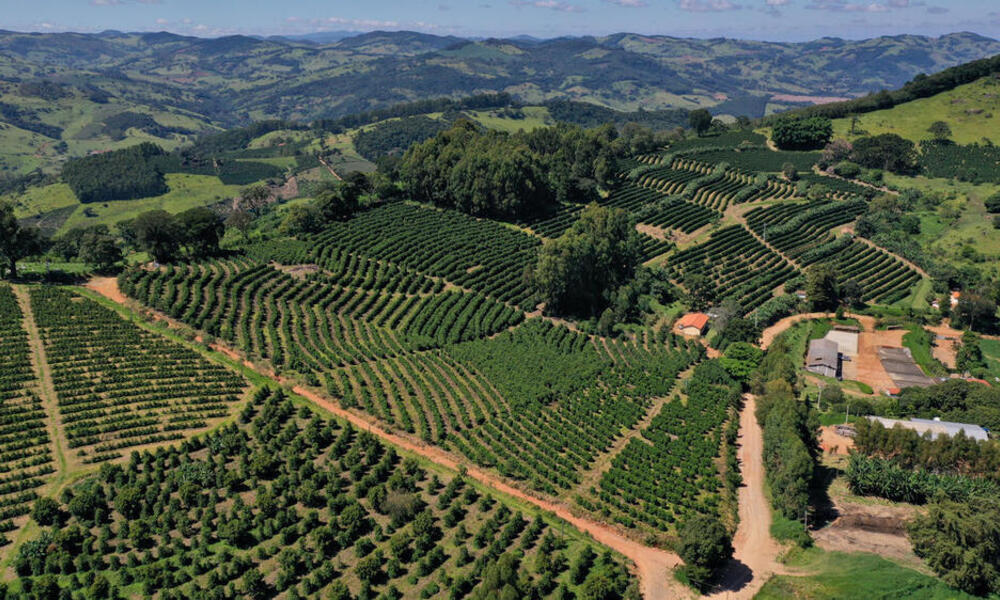
Varieties & Varietals – A beginners guide

Choosing coffee is an overwhelming business for those new to the specialty coffee scene. Trying to make sense of what you’re buying with names like Gesha/Geisha, Wush Wush, and Red Bourbon being thrown around, there’s an expectation on the consumer to know what comes with each. But the fact is that without having it explained to them, they can sound like utter nonsense! You’re telling me they’re not supposed to, even for a second, wonder if their coffee tastes like a traditional Japanese hostess? Or a Kentucky Bourbon? There’s always been a disconnect between the average consumer and the coffee producers/roasters, with language expected to be understood with no explanations. That is exactly why I started this blog. So let’s get into varieties/varietals.

First up, what is a variety or varietal? The term is used to describe the specific subspecies of the coffea arabica/canephora plant being grown at any given farm. With varieties being the species, and varietal referring to a specific instance of the variety being used. Each subspecies offers vastly different natural flavours, however, there are many other factors that affect taste, including where it’s grown, altitude, soil, etc. They are however a good indicator of the potential cup quality, as well as yield and disease resistance, among other things. They are, however, a good indicator of the quality of the coffee you’re about to get your hands on. For example, Ethiopian Heirlooms: Nine times out of ten, expect to taste blueberries. Always blueberries. I’ll be using the World Coffee Research’s varieties catalogue to present the specifics of each, such as potential cup quality, lineage, and ideal conditions. This is an amazing free resource that they encourage sharing as high and wide as possible, and I’m 100% behind them.

The origins – Typica and Heirloom varieties

Starting at the beginning of the life of coffee, we have the Typica’s. This is the variety that all other varieties are derived from, making it the most impactful variety, both historically, and even today. More and more varieties are being created, all owing their lives to Typica. This is a low yield variety with a very good potential cup quality, as expected from the plant that kicked it all off. However, with the yield, high altitudes required, and high susceptibility, change was needed to solidify the future of coffee. 

On a side note, Heirloom varieties are a broad term for naturally occurring wild coffee plants, often used in Ethiopian coffee. As the name suggests, it refers to older, wild subspecies that have naturally mutated from Typica, meaning it is not specifically a variety in and of themselves. Usually harvested from small family-run farms, you can see exactly why they’re considered heirlooms. They also produce some amazing cups of coffee. The average standard of Ethiopian coffee is very high, and the Heirlooms play a big part in that.

Gesha/Geisha

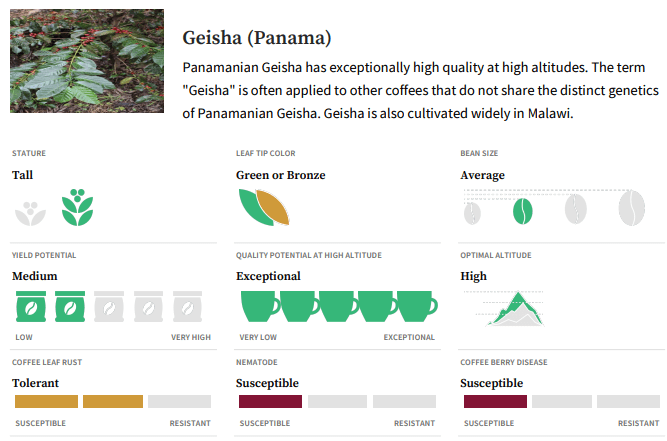
Gesha (or Geisha) is generally considered the premier variety, with extremely high cup scores across the board. The average quality of Gesha’s can and will outperform some of the highest quality examples of any other varieties. The name itself is interchangeable, with origins in a growing region in Ethiopia which translated as”Gesha”, however, it is not clear where the name “Geisha” came from, and soon became the name used by most other countries growing this variety. Panama has taken the variety and ran with it, solidifying its place at the top of the table. Interestingly they use the name Geisha.

You’ll often find them to be floral with a balanced amount of acidity. A top tier Gesha, for example Wilder Lazo’s Colombian Gesha, is used by great roasters such as Skylark, and Crankhouse coffee to create some of the most exquisite and memorable coffees you will ever have. While this coffee has amazing quality, it is a fairly low yielding plant that comes with very high cost, with an auction record £10,424.92 per KG for a Elida Aguacatillo Geisha from Panama in 2024. If you want the best, unfortunately for us consumers, we have to pay the price to match the quality.
Bourbons

The Bourbon variety is a natural mutation of Typica, and another extremely important variety in the coffee world. It can be found in the lineage of many varieties across the world, as well as producing some of the best coffees around. Initially discovered on the Island of Réunion, at the time called Bourbon, it spread across the world as it is now found on multiple continents. It comes in red, yellow, and orange varieties, as well as the rarer and brilliantly tasting pink variety, which happens to be on the list of my favourite coffees I’ve had the pleasure of tasting! With its higher yield than Typica and a very good potential quality, it has become a staple of the coffee industry, known mainly for their distinct sweetness. If you ever want to understand the effect conditions have on a coffee, try a Rwandan bourbon vs a South American. The different climates, soil, and altitude can create a stark difference in what you’re tasting. Notably the “Best of Rwanda” roasted by Taith coffee really stood out to me.

Pacamara

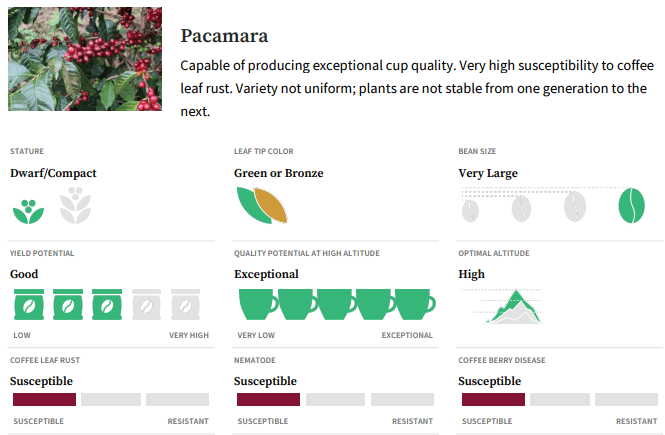
A great example of genetic tinkering creating high quality coffee is the Pacamara. A cross between the Pacas and Maragogype varieties, this coffee is a good example of the whole being greater than the sum of its parts. While both parent varieties do make good quality coffees, the Pacamara can create some incredible coffees that would be hard pushed to be matched. With a good yield and exceptional cup scores, this is one that can be considered an elite variety. Created in El Salvador by the Instituto Salvadoreño de Investigaciones del Café (ISIC), it has distinct flavours, being both chocolatey and fruity. However, there is a risk of a very herbal coffee being produced, while this is sometimes a desirable trait, I personally haven’t experienced this yet.
SL28

SL28 is another example of human invention creating an amazing variety. Created in Kenya by Scott Labs, SL28 is a drought resistant coffee plant, perfect for the coffee growing regions in places like Africa where rain is more scarce, and has less accessibility to water. This coffee is often known for its fruity notes and very high potential cup quality. I’ve come across many examples of SL28, and honestly it hasn’t disappointed thus far! As a fan of brighter and fruity coffees, it’s hard to choose a better African coffee than a Kenyan SL28, with perhaps the exception of the Ethiopian Heirlooms, and to stand equal to the powerhouse that is Ethiopian coffee is no mean feat. 

Final thoughts

I would like to first once again thank and urge everyone to check out the Coffees variety catalogue created by the World Coffee Research team. It’s an amazing free resource that gives such an interactive way of learning about what we’re drinking.

Obviously this is far from an exhaustive list of the coffee varieties out there. Simply, this is an introduction to understanding what you’re buying into, both when you order a coffee at a shop, and when looking to buy some beans for home brewing. I chose to use a mix of the most important varieties both historically and genetically, alongside some of the recent coffees that have stood out to me. There are many, many, honorable mentions, from Sidra to Java, there’s no shortage of incredible coffees out there, far too many to squeeze into one post, especially when you get into all the hybrids and wild coffees of the world. 

It’s important to remember that the varietal used in the coffee in front of you is only one part of the puzzle that makes up the flavour of your coffee, with everything from the process, how it’s been roasted, and even how it’s been brewed, factoring into the final product. After all, the “best” coffee in the world can be easily ruined. So go out and try as many different varieties out as you can and decide for yourself which is your favourite. I look forward to hearing which have captured your hearts. 
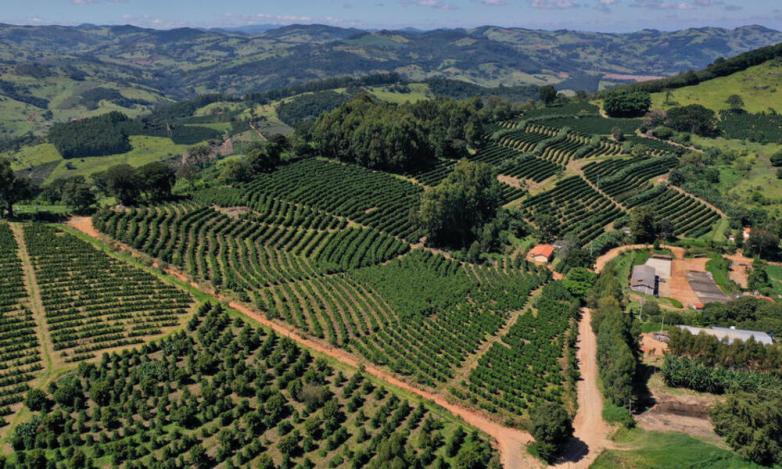
The Real Stories Behind Famous Coffees

Have you ever believed a story without really knowing the truth behind it? Sold a bag of coffee beans dubbed special for one reason or another? Ever since the inception of trade, salesmen have done their best to dazzle consumers with their products, creating elaborate stories of what separates their product from the rest. From snake oil to cigarettes, claims have always been made that this product is THE product. One that can heal all ailments, boost your mood, or, in the case of coffee, a promise of being the peak experience of coffee drinking. Something so special that it’s worth paying absurd premiums. There has been many such myths regarding coffee spread throughout the years. Here I want to take a look at some of the most common, and some of the most obscured of these, and the everlasting effects they’ve had on the industry. As well as the stories throughout history that have stood out to me.

Kopi Luwak – The rarest coffee ever??

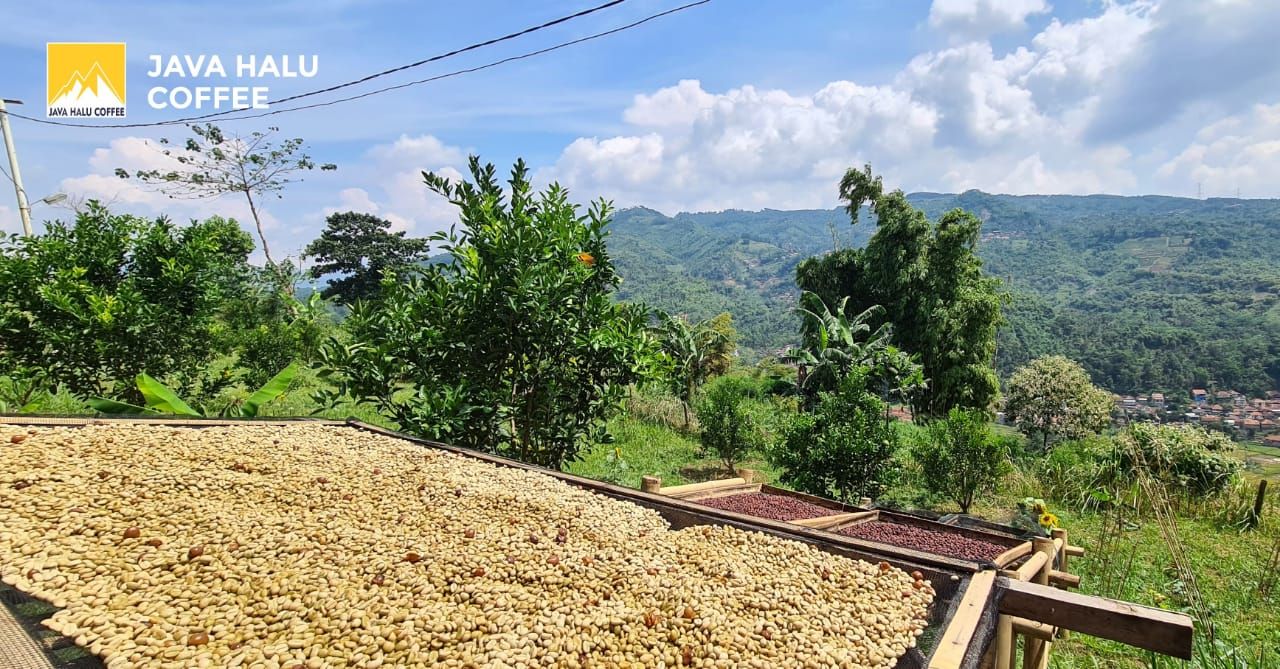
We’ll start with something that actually was involved in the creation of this blog. Kopi Luwak is a coffee built on lies. Sold as one of, if not, the “world’s rarest coffee experience”, during a time where fact checking isn’t as readily available as it is today, the practice boomed. People the world over paid absurd amounts for this strange method of letting the coffee ferment inside the intestines of wild civet cats, believing they were experiencing a once in a lifetime experience. The reality however, was very different. Civet cats were fairly common in Indonesia, where the method originated, meaning this façade of rarity was a farce from the off. The damage had already been done, as civet cats were trapped in mass, forced into small cages, and force fed coffee beans. A truly horrible practice that is better left in the history books. If you want to experience the different flavours that it creates, Rani Mayasari, of the Java Halu farm in Indonesia, is an example of someone creating an artificial Kopi Luwak, where the enzymes that cause the reaction in the civet cats system, are used in a lab, to recreate the chemical reactions that occur. Completely animal and cruelty free. It’s a unique experience and one of the most interesting coffees I’ve ever had.

Jamaican Blue Mountain – The ultimate seal of quality?

Another example of a successful, perhaps even the most successful, marketing campaign in coffee, is the Jamaican Blue Mountain seal. Known for being a well protected region, with quality being the focus, coffee from here was sold at ridiculous prices. As with every valuable commodity, there are people looking to take advantage of buyers. Over the years the number of companies claiming to sell Blue Mountain coffee has swelled, with many of them never actually receiving the trademark. Leading to plenty of subpar coffees flooding the markets, especially domestically. It was all to common for hotels, gift shops, and restaurants. It’s important to note this is considered a serious crime, with both a hefty fine of and even jail time for those found guilty of selling counterfeit Blue Mountain coffees. Jamaica is fighting an uphill battle to return to the top of coffee growing beyond these issues, as more complex and higher quality crops are growing across the world, offering something that the clean Blue Mountains just can’t compete with. This isn’t to say there are no good Blue Mountain coffees, just ensure that if you are going to try some, make sure you’re going through reliable sources, with as much traceability as possible to avoid the same fate as many a tourists.

Mocha – What has it got to with chocolate?

Mocha is one of the most perplexing terms you’ll hear in coffee circles. For consumers the term is mostly linked with a mix of coffee and hot chocolate. Which itself was never originally called a mocha at all. The drink made famous in Turin, Italy, was originally called a Bicerin, famously served in the Caffè al Bicerin since the 18th century. It wasn’t until America got their hands on the drink, forever changing it to a mocha.  But the term goes much, much, further back. As far back as being the name of the original port where coffee first arrived from the African coast for the West, the rest is history, as it surged across from Europe all across the world. From there the name had been adopted by sellers as a synonym for quality and heritage. While not having had the opportunity to sample any, from the people I know Yemeni coffee can be very polarising, with distinct flavours being appealing to some, and underwhelming to others. It shouldn’t be a surprise, with limited appropriate land and high production costs, it was always going to be a challenge for the country to rival the current quality of specialty coffee throughout the world. So how then did it eventually end up being tied to an Italian made coffee brewer, dubbed the Moka pot? It’s assumed to be a nod to the historic port, but the term remains one of the most confusing in coffee. 

The origins of Indian coffee – A religious act?

Indian coffee is a subject of intrigue for me. Famous for growing mostly Robusta beans, the region hadn’t inspired me to explore it for quite a while. That was until I read the story of how it was first smuggled into the country. A pilgrim named Baba Budan hid seven seeds on himself as he passed through Yemen, returning from a pilgrimage to Mecca. Bringing the then rare commodity into India for the first time. It was immediately filled with talks of legend, as the number of seeds he returned with, seven, is sacrosanct in Islam, leading to the birth of Indian coffee being entwined with religion. While this may or may not be a myth per se, it does create a story around the coffee which I’ve always believed adds to the experience. Making you think of the journey and series of events that led to the drink in front of you. Remember becoming mindful of what you’re drinking is one of the first steps to understanding and appreciating the flavours of specialty coffee. 

The strength misconception

We’ll end on a more practical misconception around coffee that I hear all the time. That is that one coffee is “stronger” than another. All espresso based drinks a coffee shop serves will have the same dose of coffee, and produce the same yield of espresso. So regardless of if you have a giant latte, or an espresso alone, you will not be getting a “stronger” coffee, or a bigger hit of caffeine. One is simply more diluted than the other. This can effect how it makes you feel, but you end up with the same amount of coffee in your system either way. If you really want more caffeine, in my opinion your best bet is more likely a big old pot of filter, where you’ll get your hit from a higher volume! 

Conclusion

Throughout the history of coffee, embellishments and half truths have spread through the industry like wild fire. Question everything, but appreciate the stories behind what has become such an integral part of society. Coffee is entwined with mysteries, legends, and myths, just waiting to be explored. Approach it with curiousity, as well as caution, and find out for yourself whether there’s truth to the whispers.

← Back

Thank you for your response. ✨

Warning

Skylark and Bette Buna: Coffee with a Purpose

Cupping at the Commons

I wasn’t sure what to expect when I arrived last Thursday, this was my first ever cupping event, first time putting names to faces, and all in a new environment. It had every right to be an overwhelming experience, and yet despite all that it was a wonderful evening. I’ve always maintained that it’s the social aspect of coffee that can make it so special, so I shouldn’t have been surprised that being in a room of like minded people, experiencing great quality coffee, and learning about the story that brought about the cup in front of me into existence, would only bring joy. We arrived at the Commons, a coffee shop in Old Street, London, and were met by an island counter filled with small cups of coffee beans, roasted but not ground. People buzzing around trying to set up the perfect environment for the tasting. Cupping is exactly this, sharing the experience of trying new coffees surrounded by other enthusiasts, and people in the industry. Taking small slurps of many a coffees, trying to identify the aromas, tastes, and textures, that make up the flavour of what you’re drinking. This is how roasters arrive at their tasting notes of their coffee. However, open cupping sessions can also be a wonderful experience for the beginner tasters, allowing you to begin to understand how to describe the complex combination of flavours present in coffee.

The people behind the coffee

I want to try and take you on that journey today, recalling the event, and sharing some amazing stories. First we’ll start with Skylark. Where to start here, I’ve admired what the folks over there have been doing for a while, being potentially the only non-profit specialty coffee roaster I was immediately rooting for their success. All proceeds they make with sales goes directly back into the coffee ecosystem, whether that’s supporting farmers to get a livable wage, training young adults with autism spectrum disorder, or backing environmental projects. To top all that off they roast some genuinely incredible coffees, a Java Halu natural and a Wilder Lazo Gesha will always stay with me as some of the most memorable coffees I’ve been able to experience.

Skylark aims to support people that match their values, and today we learned exactly why they hitched their wagon to Bette Buna. An Ethiopian coffee company with a strong motive to improve the standard of living, and sustainability of Ethiopian coffee, as well as crafting high quality coffees. Starting out life as a tiny 2 hectare farm in the poorest coffee growing district of Ethiopia. Hester and her husband Dawit, with zero background in coffee, agreed to take over their grandparents family’s business. With the plea to keep their house and beliefs alive. Hester’s family had been living to survive like everyone else in the area, but they never closed their doors to another person.

They became an open haven for the community, despite having barely anything. It would seem their faith was well placed in the couple, who’s backgrounds were both in business, and more importantly community growth. Now the project dubbed Bette Buna, meaning “House of Coffee”, owns two farms, increasing the original farm to 50 hectares, and the newest being in the Guji region of Ethiopia. But perhaps more importantly buy from around 3500 small farms around the country, supporting the local economy, and giving people the opportunity to improve their own quality of both coffee and life.

On top of this they work with people with disabilities, and single mothers, who are a very vulnerable group of people in Ethiopia without many good chances of work. Teaching them how to improve their current work, as well as investing in their futures, creating training centres for tasters, and giving away seedlings of high quality coffee plants at the cost of their own profitability. On top of this they work hard to use a completely transparent supply chain, something that can be an issue in Ethiopian coffee. It’s been all too common in the past to taste a coffee, buy a bag, and then end up with a completely different lot. It’s hard to tell when the general level of quality of Ethiopian coffee is so high, and there’s always someone looking to exploit this.  After hearing all of this it was so easy to see why Skylark were so keen to work with them, especially with the quality of their coffees improving each year. It really made you appreciate the journey of the coffee, not just the taste.

The event

After a small presentation on the above it was time to get into the meat and bones of the evening, coffee. As we entered cups filled with coffee beans teased us: a blind line-up of coffee, no names, no varieties, just an allotted number, adding to the intrigue. But the feast really began once they had been ground. The aroma of coffee filling the room, we collectively went from one cup to another, taking a deep breath of each, some smelling of the rich scent synonymous with coffee, but some offering that little bit more, floral, fruity, and tea-like, the lineup had it all. 

Once we’d made our way around the brewing began, a simple process of pouring hot water into the cups and waiting a few minutes. Thankfully those minutes passed quickly and we got to experience the taste of what was promised. A symphony of slurps filled the room, a method of enhancing the taste by ensuring you’re adding the aroma of the coffee, as a large portion of flavour is derived from our sense of smell. Remembering this was my first time I honestly wasn’t sure how they created such a powerful noise, but I acted confident and did my best. We were even handed spit cups, but as if I was going to give up free coffee! I was rewarded with some truly beautiful drinks. We had full bodied, washed lots. Florally naturals, and even some offering fruity goodness, with more experimental processes. I would love to be able to tell you exactly where you can try these for yourself, but unfortunately they’ll be slowly rolled out, likely over the next year. Surprisingly, my favourite of the night was actually from their original farm in the Sidamo Taferi Kela region, which is the poorest region in Ethiopia. Don’t let that fool you though, this “kickstart” naturally processed lot was such a memorable coffee to me that it stood out in a list of 18 others.

Enough variation was present between what I would call “steady” coffees (your chocolatey or nutty brews) to build excitement on the future of Bette Buna. I’m confident with more elaborate brewing methods, this will be a very good year, of hopefully many to come for Hester, Dawit, and all of those involved in the project. 

Conclusion 

I thoroughly encourage everyone that enjoys coffee to try one of these events for themselves, whomever it may be with. Instagram is your best friend here, as many roasters and coffee shops will advertise their sessions here! It will only add to your appreciation of what you’re served, as well as build friendships with some truly incredible people. I spoke a lot with the owner of Skylark, Micah, who is an absolutely lovely person, doing incredible things, as well as Hester, after her presentation. It’s humanising these parts of the coffee’s journey that makes it such a unique experience, and I cannot wait for the next chance to attend one!

The Art of Co-Fermentation in Coffee Production

I started this journey talking about the difference a process can make on a cup of coffee. We built solid foundations explaining the big three processing methods that are used all the time in the industry and even began to explore the more … experimental methods, with Rani Mayasari’s synthetic Kopi Luwak. But that was just a glimpse into the weird and wonderful world of coffee production. Across the world there are coffee producers with their white lab coats, living the life of mad-scientists, creating flavours and intensity that could seldom be reproduced by conventional methods, and these are exactly my favourite kind of people!

Fruit co-fermentation

I was first introduced to the wild world of Jairo Arcila around a year ago now. A retired producer that now seems to have taken on that role of mad-scientist, fermenting his now smaller lots of coffee with almost anything you can think of, I personally have tried wine yeast, peach, apple cider, blackberries, passion fruit, champagne yeast, and strawberry. All with varying degrees of success, but what I love is that he never lets it stop him. From the Strawberry having an overpowering aroma of gravy, to one of my favourite coffee yet coming from the peach co-ferment. This practice became known as fruit co-fermentation, and is one that can definitely push the boundaries of what people consider desirable in coffee. Sometimes the process can overpower the natural flavours of the coffee, for example the blackberry co-ferment we had tasted exactly like warm ribena, but when a balance is found it can create a beautifully unforgettable cup of coffee. It’s from his work that my interest in co-ferments began, and now it’s always something I keep an eye out for! Oh to be sat on a farm in Colombia, spending your days under a warm sun, creating unforgettable coffees. 

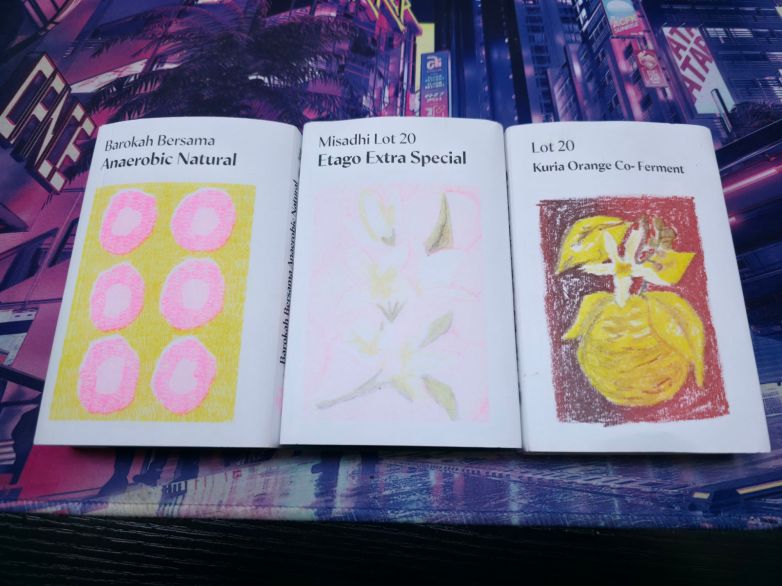
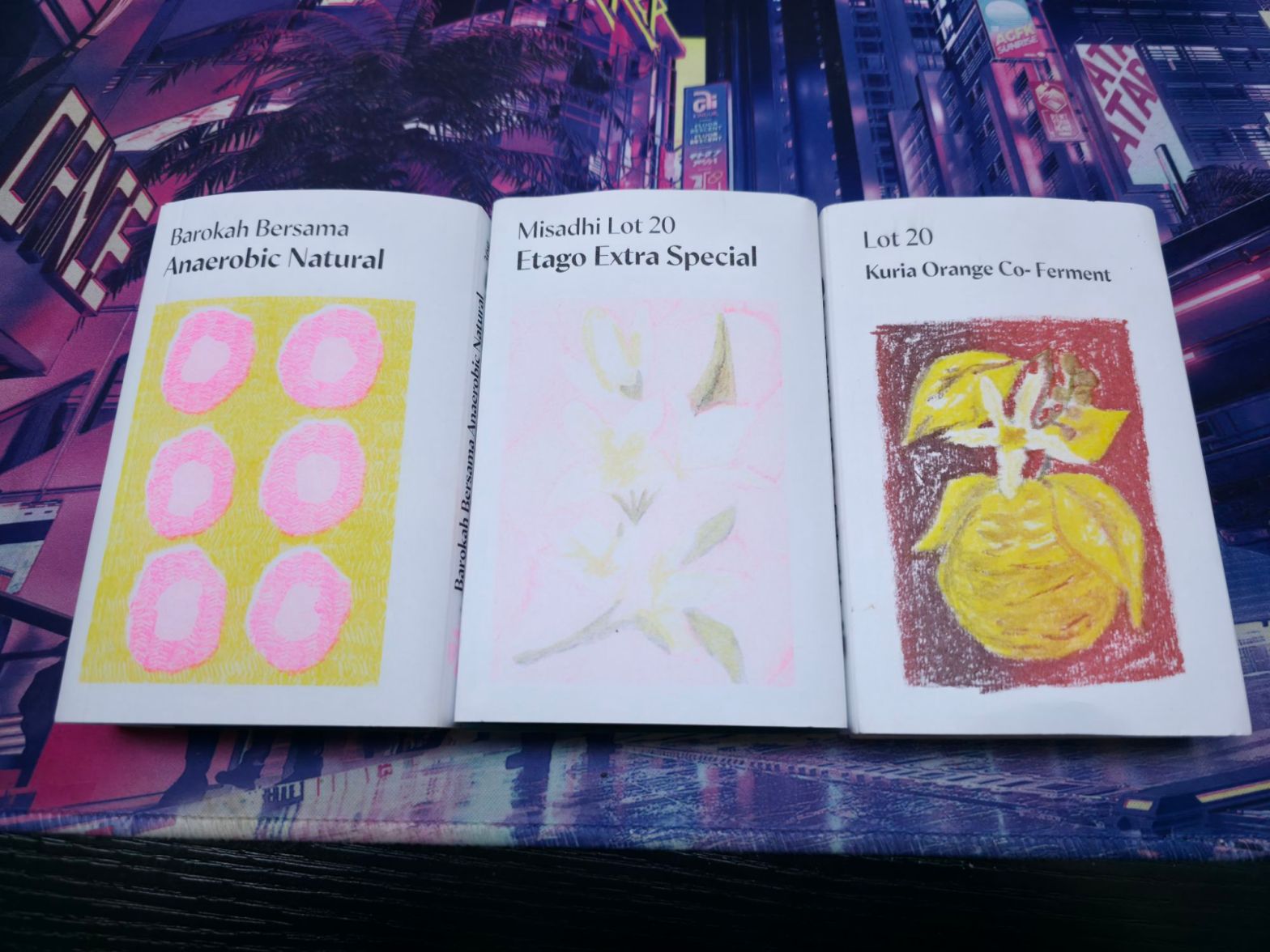
Now I’m not saying Jairo started the trend, but I’d certainly class him as a pioneer of it, and other producers have been taking note. I’m beginning to see more and more co-ferments crop up, from all over the world, with the latest I’ve tried being an orange co-ferment from Kenya, a much more subtle result than Jairo’s works, but none the less a gorgeous cup of coffee, offering just that little bit of orange zest. Seeing these more unusual methods being accepted and embraced across continents is exactly what the industry needs to keep growing, both in quality, and creativity. But where does it cross the line between being effective, to being a fad? I’m currently resting perhaps the most outlandish sounding one I’ve been able to try yet, a fungi inoculated co-ferment, once again from Kenya. With surprisingly sweet tasting notes, instead of the earthier tones I’d have expected, adding to the intrigue! With more and more new processing methods being boasted each week, only time will tell which offers enough to last, and which will be forgotten by history.

It’s not all about fruit

As well as co-ferments, we’ve been seeing a rise in anaerobic fermentation, a method in which the coffee is sealed in tanks, with the oxygen removed. With valves to allow the built up CO2 to filter out, you reduce the risk of getting that over-fermented taste, while giving the coffee time to develop some intense, often fruity, flavours. I’m all here for methods that can take the best parts of a natural process while removing the risk of an unpleasant cup of coffee. That being said there is a washed version of this process where the mucilage is removed before washing the beans as well, for those that prefer the cleaner finish. 

To avoid overloading you with the many, many, processing methods being explored out there right now I’ll only talk about one more; carbonic maceration. This is a method that stuck out to me as it takes inspiration from another complex yet beautiful drink; wine. Introduced to a wider audience in the 2015 world barista championships, Sasa Sestic worked with Colombian farmer Camilio Marisande, to promote fermentation in a carbon dioxide rich environment, to create complex coffees with less of a sharp acidity. Different from anaerobic fermentation as instead of releasing the built up CO2 it almost encourages it. I always appreciate people taking inspiration from one another to further push the boundaries of coffee making, so to take that from another product entirely was, well, inspired. 

I think that developing processing methods is great for the long term survival of specialty coffee, allowing us more control over the flavours we present in our coffees, which I hope will mitigate the casual coffee drinkers need for syrups, and sugars, creating a pathway to the specialty market and some of the amazing coffees available the world over. As always, I encourage experimentation, go in with an open mind and try as many weird and wonderful processes as you can, if nothing else, it’ll be memorable!

On a side note, I’ll be attending a cupping session/Q&A session hosted by Skylark this week, celebrating and learning more about Ethiopian coffees, specifically from Bette Buna, a family owned coffee company known for equal opportunity employment, transparent supply chains, among other positive contributions to the coffee industry. So expect a rundown of the experience next week! 

← Back

Thank you for your response. ✨

Warning

The Art and Science of Coffee Roasting

There’s a lot of things in the process of creating the coffee we drink that affect the taste, none perhaps more than the roasting process. This is a pivotal stage in creating the flavours that we want to highlight with any given coffee, and can ultimately ruin a coffee like no other moving part. This is where a roaster can put their own ideals of how a coffee should taste on the green beans that are delivered to them. Each roaster having their own opinions and tastes, allows the creativity I personally love to see in the industry. Two roasters given the exact same beans, from the exact same lot, can produce two vastly different results! So, where can we possibly start to break down such an important stage of the life of a coffee bean?

First up, we’ll start with what actually happens in the roasting process. During this time the raw coffee beans are essentially exposed to heat, often in the form of hot air being circulated through a drum or bed. This forces the water to evaporate, and the process of gaining that signature brown colouring begins. The paper-like skin of the bean begins to break and peel off, aided by the turning of the drum and circulation of hot air this parchment is shedded and removed by the roaster. This is all done very quickly in comparison to the rest of the process, and is an extremely important part of the procedure. Once the water is most driven out, there’s a build up of gases inside of the bean which lead to what is called the “first crack” and creates a sound similar to the popping of popcorn! This is where the process is slowed down and the flavours we recognise begin to develop. Once the roaster is happy with it they can choose to end it, with how long they wait dictating whether it’s considered a lighter roast or a darker one.

This next stage is the development stage, this is where the coffee beans begin to develop the aromas, tastes, and colour of the coffee beans. The exact time and heat distribution is up to the roaster, and it is what is referred to as a roast profile. For example, if an individual wants to create a more delicate tasting coffee highlighting the natural flavours of the coffee they will roast it for a shorter time, while dropping the temperature after the first crack, not letting it develop for too long. However, others may like their coffee to have a more bitter and harsh taste, and so continue to roast at higher temperatures fairly long after the first crack, often until a second crack can be heard, producing a darker roast, named as such because the beans literally get darker the longer you roast, until eventually the coffee beans are burnt. Here a heavier bodied coffee is created, losing most, if not all, of its natural acidity and complexity. It’s because of this most specialty coffee has a lighter to medium roast, allowing the complexity of the coffee to shine, and individual traits of the varieties to come through. Honestly, in my opinion, while a dark roast is completely valid, using high quality specialty beans for it just feels like a waste. It’s like buying a supercar for a five minute trip down the road, desirable, but pointless.

Finally, the beans are rapidly cooled to avoid over roasting, often misted with water to cool down the batches. This is called quenching. This can be done with cool air alone, and will aid in the coffee lasting a little longer, but isn’t realistic in large quantities. All in all, the entire process can range from as short as 8 minutes to as long as 20!

With that out of the way, I want to talk about the key changes in flavour that occur in roasting. To keep it simple, it’s agreed that the longer the coffee is roasted, the more bitterness you create, as well as a heavier body. While the acidity is the opposite way around, with longer roasting removing much of it. A balance must be found by the roaster to create the coffee they wish to present. Sweetness is a little more complicated as it rises and falls throughout the process, showing just how much a roaster has to think about going into this.

It’s important to note that this is an extremely simplified explanation of roasting. It really is an extremely intricate and complex process that involves many hours of trial and error, as well as computers, machines, and a keen mind. Because of this it really is an art as well as a science, trading brush strokes for graphs and philosophy. I’m looking to build a list of roasters that I have personally used and trust, however, that doesn’t mean ones missing are bad, I’m only one man and there is a LOT of coffee to be drunk!

As always I encourage you to explore the different roasting styles and find what you enjoy the most. Once you know, it will make finding a coffee you will enjoy that little bit easier!

Spotting a good coffee shop

One winter I found myself out with my family, it was cold, raining, and generally a dreary day. Safe to say I wasn’t having the best of times being out instead of curled up at home nice and cosy. When finally I saw a beacon of hope, a coffee shop! Glad to get some warmth into me, I ordered my usual flat white that I have when going somewhere new, and excitedly awaited my prize. Just to open the lid to see what can only be described as an americano with a splash of milk at best. That day I learnt a hard lesson; not all coffee shops were created equal!

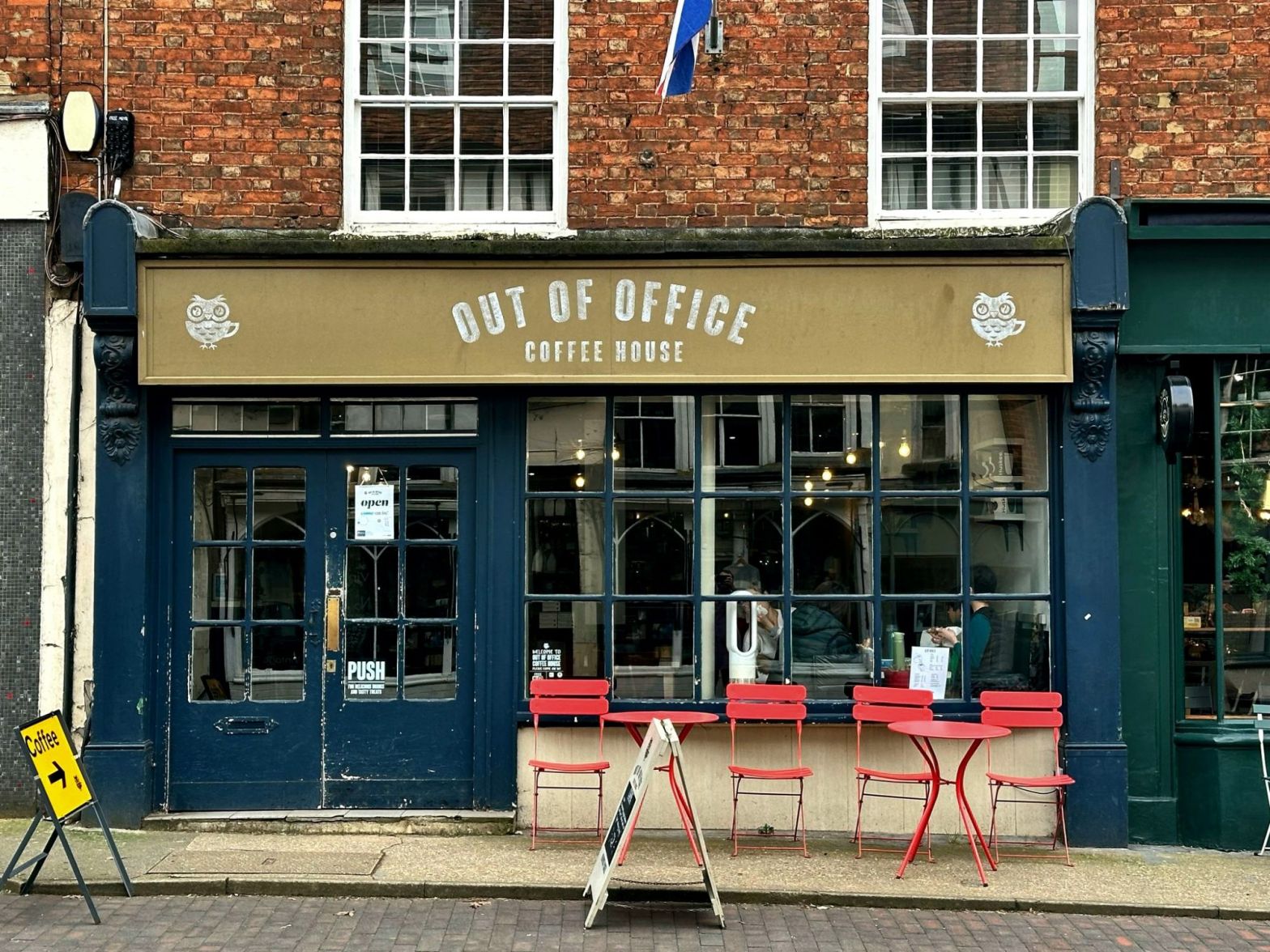
Going somewhere new can always be daunting, and there’s a lot of shops out there serving coffee nowadays, so, how can you tell if the one you’re looking at is any good? How can I tell which shops use commercial instead of specialty coffee? We can begin by recognising the big brands, and understanding that they ARE commercial users. Starbucks, Costa, Cafe Nero, they are all commercial chains and so use these coffees. So, what is the alternative? Specialty or third wave coffee shops are your answer

To begin, let’s not confuse specialty and independent. There are plenty of specialty coffee shops that have multiple stores, and are therefore chains. The difference is the coffee used, and what their coffee philosophy is. Third wave coffee is a term used to describe this current era of coffee consumption. The first wave was the mass production of coffee, focusing on quantity completely, disregarding quality. The second wave being the rise of big commercial chains introducing a better quality of coffee while still keeping costs low. Finally we land in the third wave, the rise of specialty coffee, concentrating on the intricate flavours that can be created through traceable sourcing and a more scientific approach to roasting. Now the term is synonymous with good quality coffee across the world.

Speaking of traceability we move into our first thing to look out for. Traceable coffee is considered important as it is a way to verify both the quality of the lot grown, as well as giving us an insight into the kind of flavours we can expect. This is the strength of single origin coffee. Simply put, single origin refers to coffee made up from one specific farm only. This also gives us a little bit of consistency as we can have a very general sense of the quality and tendencies of certain varieties of the coffee plant. This unfortunately comes with higher costs, as proof is needed to ensure the coffee is what the exporters claim it is, and greater quality coffee costing more in general. This is where blends come into play. A blend is a coffee made up of multiple lots of coffees, usually limited to two or three different coffees. While blends are valid, a majority of specialty coffee is single origin. This is because when you create a blend you take away from unique characteristics of the beans, creating a more consistent, if perhaps boring coffee. It is also cheaper as roasters can pad a small amount of quality beans with cheaper ones, making their money go further. Remember traceability is desirable!

Next up we have cup size! This is something that gets a little overlooked by commercial coffee drinkers. As I’ve mentioned before espresso based coffees traditionally have set recipes, recipes that produce a set serving size. Commercial coffee shops moved away from this, and offered more and more volume to their drinks, mostly to allow the milk that goes into most of them to cover up the harsh bitterness of their coffees, as well as a few other reasons. However by moving away from the recipes of these drinks, they become something else. A flat white for example, is considered stronger than a latte, but it is not the coffee that goes into it that creates this extra “strength”, but a higher ratio of coffee to milk. Hence it is a 6oz drink. If you ask for a “large” flat white, or being served one bigger than this, that ratio shifts, and you end up with a latte. A specialty coffee shop should always follow these recipes. No cappuccinos large enough to fit a small boat! 

There’s also plenty to learn from watching how your coffee is being made. Did your barista weigh the coffee out? Did they properly tamp it? Did they keep track of extraction time? All of this will dramatically change the taste of your coffee, so it’s important information to keep track of. Yet it isn’t always done. This creates inconsistencies in coffee, and more importantly can lead to a very bad cup. If a shot is over-extracted you end up with a harsh bitterness and ashy taste to your coffee, similarly if it is under-extracted you end up with a more sour and bland tasting drink. This shows the importance of staying in that sweet spot. If they don’t do these things it’s not necessarily their fault, some shops, especially commercial coffee shops, value speed over quality, and so don’t teach or promote their baristas to do this. I want to talk more about owners investing in their baristas in a later post so I’ll leave that bit here for now.

My next bit of advice is an important one; ask questions! If you want to try a filter for example ask them what they have in the hopper, if they can’t tell you, or they have a generic blend, it’s probably a safe bet to have lower expectations. Personally if I’m unsure of a shop I’ll start with a milky drink, usually a flat white, to get a basic idea of what they’re like, and whether they follow the traditional recipes or not. Then if that passes, I’ll be happy to try an espresso or filter. Special mention for those that offer pour overs, and other brewing methods. This can really make a stand out coffee experience, especially if they’re taught well!  

Finally, as the times progress we can have a more technical method of finding these shops, with apps such as “Best Coffee” being released. This can be a decent measure of a shop, as they only include one’s that they have sampled themselves. Unfortunately, a limited number of shops can gain access as of right now due to the sheer quantity popping up, and limited testers to sample them. Long story short, it’s not make or break if a shop isn’t on the app – there’s plenty of great ones that may never get onto the platform but it is something to keep in mind if you want a safe bet.

← Back

Thank you for your response. ✨

Warning

Un espresso, per favore

Continuing with the theme of last week’s post, today I wanted to talk about the difference between two big words in specialty coffee; espresso, and filter. These two ways of brewing coffee have become power houses of the industry, especially so, the espresso. 

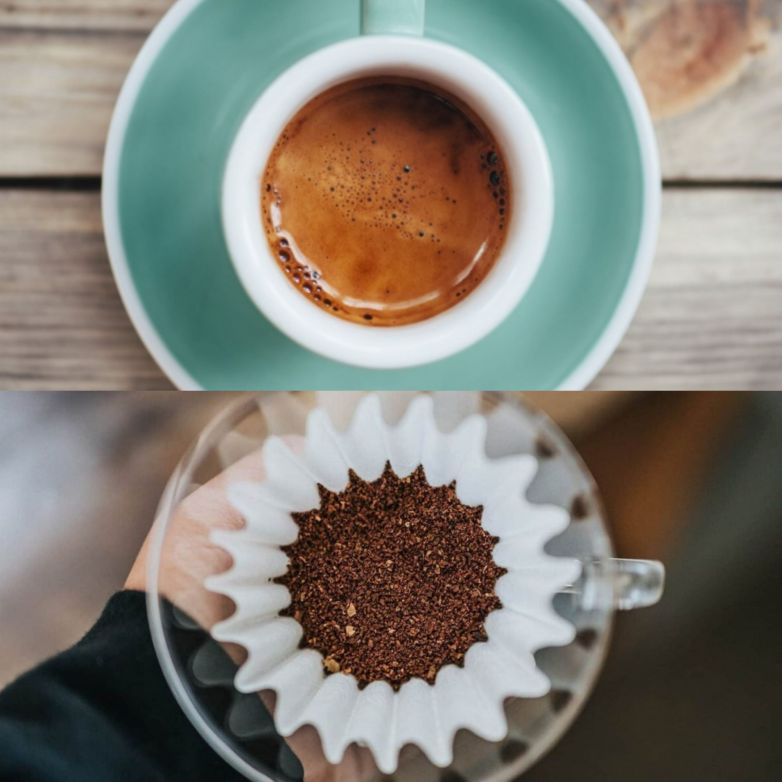
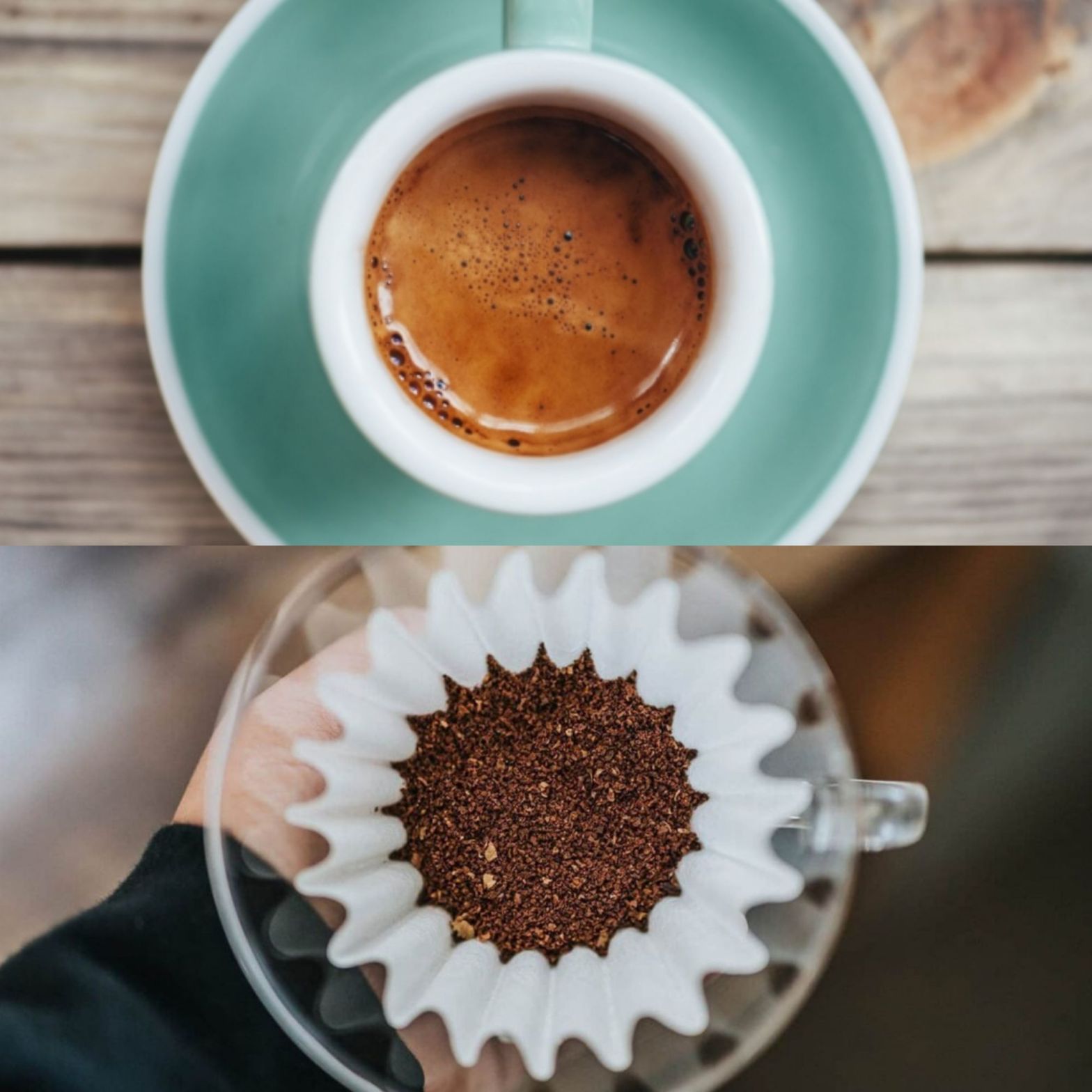
Let’s start with the simplest idea, what actually IS an espresso? An espresso is simply a short and highly concentrated coffee, historically following a set of criteria such as an exact extraction time and volume, whereas now, as the art has grown, the rules are stretched and bent to best suit each individual coffee. It’s made up of a deep brown body, with a beautiful (when done correctly) foam on top, called the crema. This crema that comes from the pressure based extraction should have a healthy mixture of hazelnut browns, and lighter creamy tones. Ideally with an almost speckled effect to it. It is easily the most iconic part of an espresso, and very easy to mess up. 

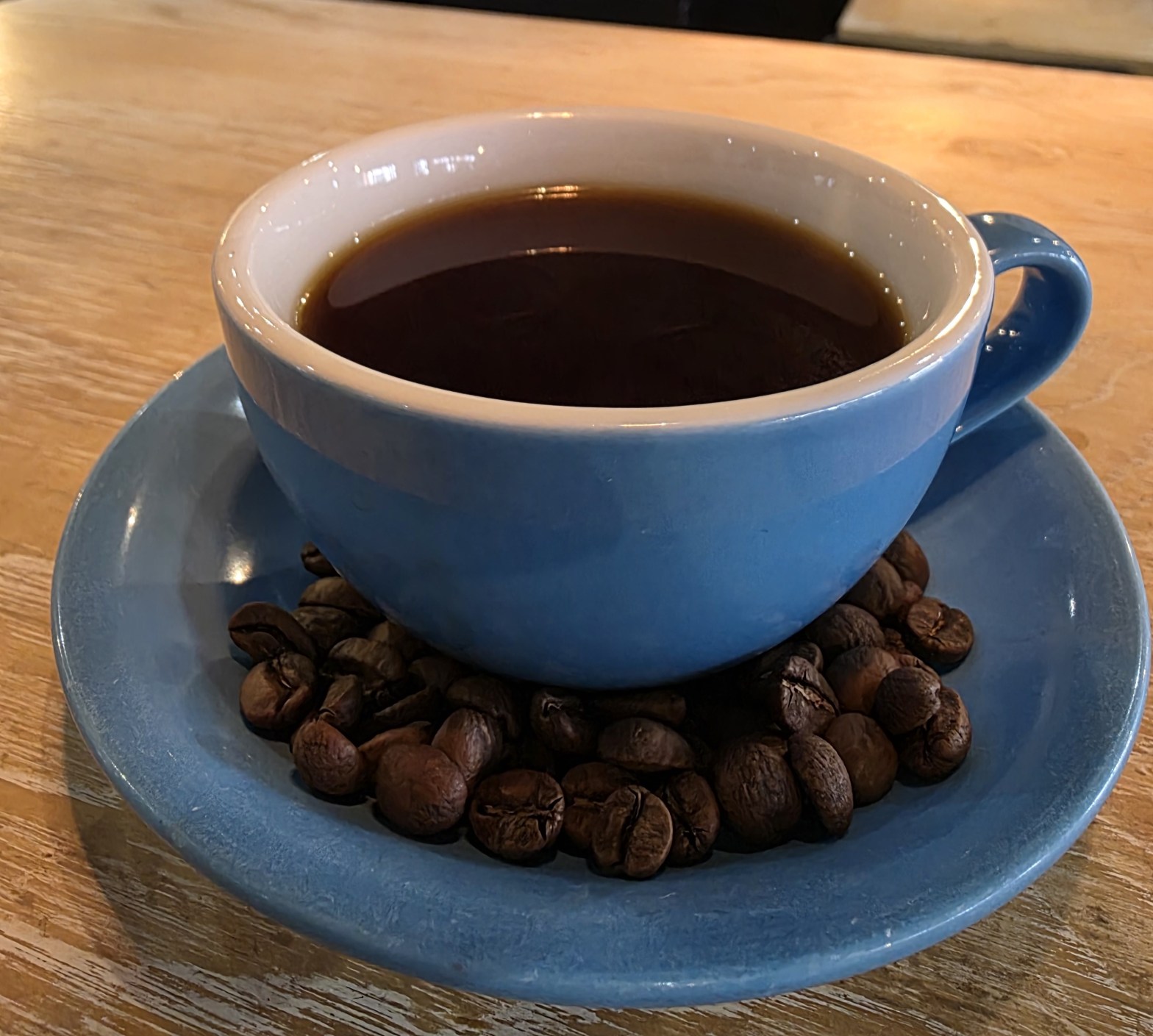
A “filtered coffee” is a very broad term, it can refer to a v60, an aeropress, French press, batch filter: the list goes on and on. All of these different methods of filter brewing can create vastly different tastes, v60s offering a delicate drink that can bring out the more subtle flavours found in the coffee, while a french press for example can come out harsher due to the amount of time the coffee is left immersed in the water. What these methods have in common however, is that they are complete drinks, best enjoyed as they come, black, no sugar. Whilst they aren’t as popular an option as an americano, I honestly can’t see why. A good batch of filter coffee in my opinion offers a far better tasting experience than the espresso based counterpart, and because of sheer volume, will give you a bigger caffeine hit as well! It is always worth asking if a shop does a bottomless filter deal, it’s perfect for the third space remote workers and public business meetings! 

So with two fairly distinct methods of coffee brewing established, the question is always asked; which is “better”. This is a lot harder than the arabica vs robusta debate, as frankly they serve two very different roles. An espresso is so much more than just an intense shot of coffee, it is the foundation for the milk based concoctions that have become so popular. Your lattes, cappuccinos, macchiatos, and flat whites all come from that little brown shot. You cannot make them with a filtered coffee, it simply doesn’t work like that. So the humble espresso is as flexible a coffee you can get, offering an intense flavour alone, or a sweeter option when paired with milks or sugars. Filters however, are far from inferior. 

Now, lines get blurred in the commercial vs specialty coffee scene. Established recipes get twisted and bastardised by some of the biggest coffee chains, which then trickles down to the rest of the commercial coffee ecosystem. For example, a certain giant in the commercial coffee scene has recently added the wonderful “cortado” to their menu. Only, it’s nothing like a cortado … at all. They arbitrarily use a triple “blonde” espresso shot, in a much larger cup, with (in some cases) more foam than I’ve seen on all of the cortados I’ve ever drank combined! When in reality, a cortado is a simple drink, a 1:1 ratio of espresso to steamed milk, ideally with an almost paint-like layer of thin foam. This isn’t the first drink to be changed dramatically for mass consumption. The cappuccino is meant to be a smaller drink, stronger than a latte due to having more coffee than milk, with a dense foam on top. A hard drink to “master”, but an iconic one, that definitely should not be a giant mug covered in chocolate. Don’t even get me started on the outrageous size of some of the flat whites I’ve seen served around the world. 

This is where the simplicity of a batch filter can come in handy. While the exact ratios can change from shop to shop, in essence a well trained barista should be able to make a plenty delicious filtered brew. 

So with all of this information, what drinks SHOULD you try when at a specialty coffee shop? In my opinion the main two would be a v60 pour-over for those looking to get the most flavour out of their coffee, especially if you are looking for that more delicate drink, try this if you find the espresso based drinks you’ve had before have been too harsh for you. I recently had one made with some gorgeous Campell and Syme beans, for a friend that wants to like coffee more, and usually has syrups and sugar in her drinks. She drank this one as it came and even went in for a refill (it was a proud moment). 

If however you like a more intense coffee experience then try their espresso. An espresso from a good shop shouldn’t be overly bitter or burnt tasting, instead having a balance between sweet and acidic, offering an intense but wonderful tasting experience. If you need the milk then cortados, flat whites, and cappuccinos are your best friends. These should in a perfect world reduce the harshness while allowing the espresso to still punch through. 

On a final note, I strongly believe filter is king for home brewing, as I’ve alluded to in previous posts. So buy that v60 kit, that aeropress, that clever dripper, and get brewing! I plan to put together a little database or list of roasters that I have had good experiences with for those that don’t know what to look out for. 

Arabica vs Robusta: Know your beans!

For coffee, life starts long before that espresso shot is pulled, or that filter is brewed. It begins to see life as the small, flowing, shrub-like plant ‘Coffea’. This wonderful plant is responsible for producing the seeds we know as ‘coffee beans’, inside the mostly brilliant red fruits that ripen on the branches. There are two main species of coffee plant grown, Coffea Arabia, and Coffea Canephorna (commonly known as Robusta). With Arabica being traced back to origins in Ethiopia, and Robusta having its roots in much lower altitudes. Initially being discovered in the Democratic Republic of the Congo. The ability to be grown in lower altitudes led to the rise of Robusta in the commercial coffee market, as it’s cheaper to grow and therefore purchase. However, with this comes a much harsher and less complex taste. To this day I don’t believe, (and I may be wrong to assume) that there is any Robusta on the market that can be dubbed a specialty coffee. That title belongs to the Arabicas of the world, but does that mean ALL Arabicas are good?


To put simply, no. Just because what you’re drinking is of the Arabica species, does not mean it
can’t be, well, poor. It’s more nuanced than just the overall species unfortunately, as you have
varietals, altitudes, climates, processes, roasting, and even brewing, to think about. But that’s
for another day. Today is about learning broader terms. Arabica is used as a sign of quality by
many a coffee shops, fast food chains, and even in instant coffee, and honestly there is a
reason for it.

Arabica coffee is usually less bitter, with a beautifully balanced acidity, and allows the more
gentle flavours to be showcased. With the exact balance of that being down to the different
processes mentioned above. Giving the growers and processors the ability to be creative with
their coffees. That being said, the commercial market and specialty market are two different
worlds, you cannot compare the coffee of a fast food chain to the coffee of a third
wave/independent coffee shop. But while a perfect Robusta may outperform a mid Arabica, it can never compete with the top tier Arabicas of the world.

Now in the interest of being at least a little impartial, there is a case for Robusta. It just isn’t taste. Robusta crops have a much higher yield, meaning they’re cheaper to pick up, and on top of that, do actually contain higher amounts of caffeine, so if you’re just looking for a cheap hit of ‘strong’ coffee, then you may even prefer the Robusta. As well as that, Robusta can also be used in blends alongside Arabicas to still achieve a generic safe and solid tasting coffee. Letting the companies and people producing it to save that little bit of money that can make such a difference to smaller ventures. With companies such as Black Sheep Coffee specifically
advertising that they sell Robusta coffee.

My main goal today was to give you a small insight of the nuances of coffee making I want to
explore and share with you. Giving you a foundation to build your tastes and beliefs on. It is
valid to enjoy whichever you enjoy more. However, talking in broad strokes, if you want a quality cup of coffee, prioritising taste over a cheap hit of caffeine, then Arabica will always take the crown as the king of specialty coffee.

I want to keep diving into what goes into creating a great cup of coffee, and so will be walking you through as many aspects of creating the flavours we adore. With the next either being about varietals and what the hell that means, or the roasting process and how it can have such an impact on flavour. So until then I encourage you to go out and explore what it is you’re drinking, and if you can notice any patterns in what you enjoy the most.

Do you NEED that espresso machine?

I vividly remember waking up, feeling sick at an aroma that filled the entire house when my Dad would start up his coffee machine. Whatever you think coffee should smell like, that wasn’t it. That brand shall remain unnamed…

Now, it was a cheap machine, quality isn’t expected, so I can’t judge too harshly… however, as the price of these machines start to increase you begin to have an expectation that money equals quality. This unfortunately isn’t always the case. 

We’ll start by discussing the rise of personal espresso machines. These claim to offer an authentic ‘barista like’ experience, but the reality is (in my experience), slightly disappointing. I had a ‘bean to cup’ coffee machine, expecting the built in grinder and steam arm to be a game changer, but what I realised is that the built in grinder was never consistent enough and lacked real control. This ‘bean to cup’ machine had a small dial with nothing on it but an image of a big bean on one side and a small bean on the other, something that (as a novice wading into deep waters) I genuinely believed was alluding to the specific size of the beans you’re using. If you want a good consistent cup of coffee, bin off the idea of bean to cup and invest in a good grinder, you will notice a world of difference.

My next issue with these machines is the steam arm. In general, a low/medium budget coffee machine will not have a steam arm powerful enough to create the wonderful espresso based drinks that we know and love. I spent months over lock-down trying to recreate the flat whites that I got at my favourite coffee shop. I’d ordered the same beans they used, had the equipment to steam the milk, and even got a milk jug recommended by a friend. Yet it never quite worked. For a start the control just wasn’t there, you got an espresso shot that never had the same extraction time, was far too fast, and was uneven between the two spouts which sets you up for failure as the espresso is obviously the heart of these coffees. Then you get to steaming and the blast was so weak I would have to manually swirl the jug around to create a current, leading to both inconsistent results, and either a lukewarm latte at best, or the driest cappuccino you’ve ever seen at worst. 

Now again, this isn’t ALL personal espresso machines, but it is my experience with a mid range machine, as well as the experience of friends that made the same mistake. 

So, with low end and mid range machines being out of the question in my mind, do we just go crazy and buy an actual commercial grade coffee machine? Well it would be nice… but no. The cost vs. amount you’d use it would be ludacris, and if you’re a smart owner you’d end up spending more time on cleaning and maintenance than actually brewing coffees. 

Now I’ve had my little rant on home coffee machines (I really could go on and on), let’s move on to the helpful part, what should you use to brew coffee at home? The way I see it, there are two viable options for the coffee connoisseurs. If you want an espresso based coffee and don’t mind spending upwards of £400 to get it, then in my opinion, ‘The MORNING Machine’ is your best bet. Offering calibration to water temperature, pressure, and coffee to water ratio, all from your phone. Even allowing roasters such as Colonna, to have unique QR codes to scan on the packaging! It really does make the whole process simple and time efficient. However, £400 is a lot of money, and I’ve found joy going back to simpler brewing methods. 

For as cheap as £10 you can buy a basic v60 dripper (this has become my favourite brewing method). There is something almost meditative about the slow pour, drawing your silly little circles, and watching the slow drip through. It becomes something to look forward to, a ritual. This brewing method makes a very delicate cup of coffee, really allowing you to explore the tasting notes of a coffee and see what other flavour based connections you can make. For this reason it has become my go to method of trying and judging new beans. There really is nothing for the coffee to hide behind here, so make sure you have some quality beans lined up (which you can afford now that you haven’t bankrupted yourself buying 14 different coffee machines)! I am determined to start the v60 renaissance if you couldn’t tell, but I will admit that they require time and effort, both to make and more importantly to get the process down to a tee. 

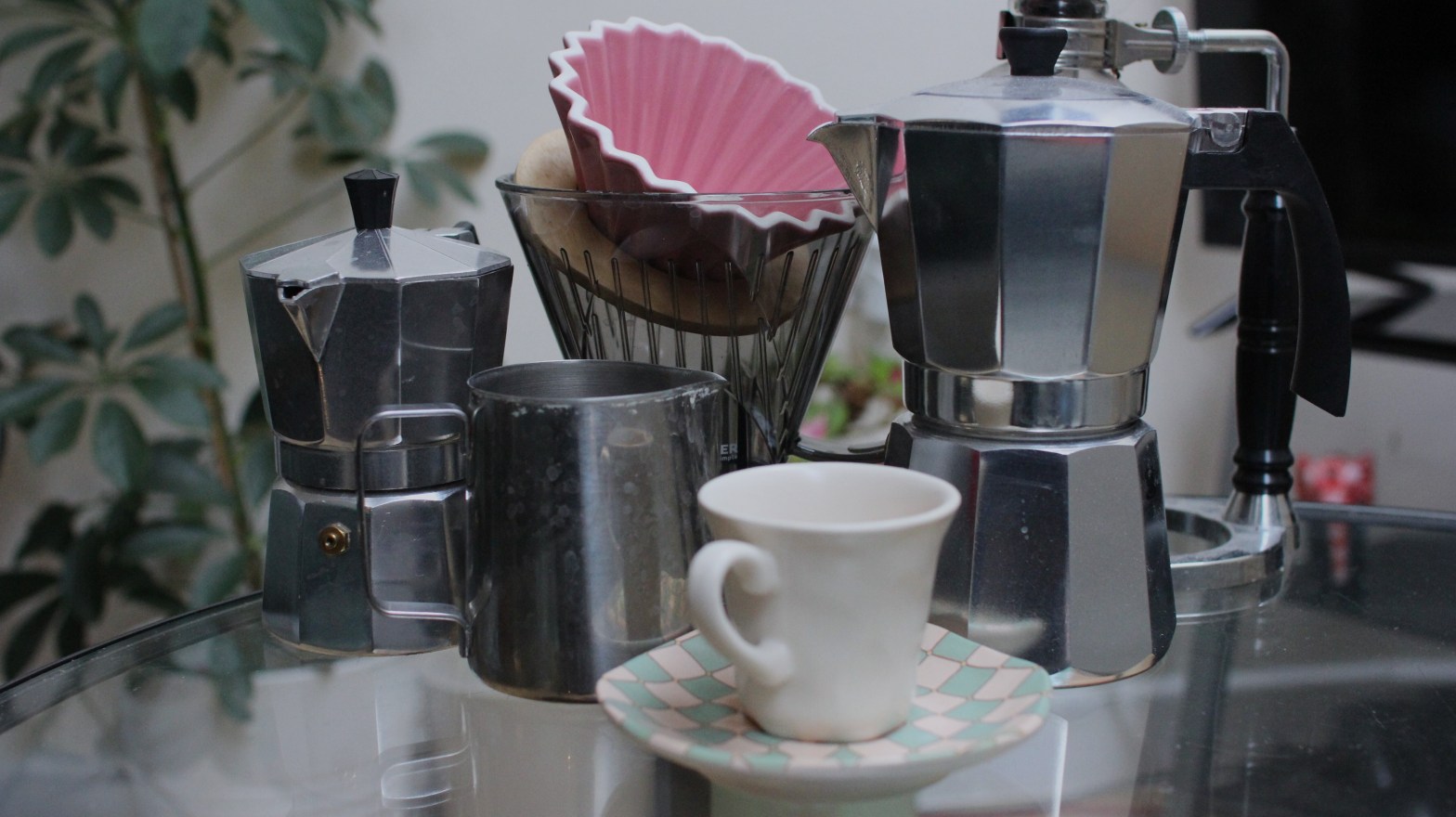
Other manual brewing options do exist and are very valid, for example, the ‘Clever Dripper’ offers a time saving alternative to the v60, however, will never fully recreate the taste as it uses a mix of drip and immersion brewing. I may put up my preferred recipe for them at some point as it takes some experimenting. I am also a big advocate of the ‘Moka Pot’. A sleek stove top way to make a coffee more similar to an espresso as opposed to a filter that the other methods create. A true coffee brewing icon. Finally if you still aren’t feeling the effort required to make a v60 you could always opt for an ‘Aeropress’, an immersion brewing method, that can offer more control of extraction to create different results. Far more flexible than the French press.

The point of all this is to try and help people understand that their money is best invested in quality coffees, and by getting these more basic hand brewing coffee makers, you can afford that. As well as encouraging people to go out there and play with these recipes and methods that allow a more creative approach (cough v60 cough) to coffee making. You wont regret it. 

The difference a process can make

My name is Jamie Case and I love coffee. Most of all though, I love sharing coffee with others. Coffee to me tastes best when it’s shared with a group of friends. So naturally I want to bring the maybe more detailed parts of coffee to as many people as possible. So I’ll start this by giving a brief idea of what a process is and the role it plays in creating the flavours we taste in our cups.

So, what is a process? It’s the method used to remove the layers of “skin” that surround the coffee bean. There are many ways this can be achieved, but we’ll mostly be focusing on the four involved in this little experiment we have for today.

The most common processes are washed and natural. Washed, likely being the most popular (at least in my experience) creates a consistent flavour, relying heavily on the flavours of the bean alone,  but in my personal experience can be a little boring. Not bad at all, but I enjoy the weird and wonderful that it can lack. Natural offers exactly this, letting the coffees develop a more unique flavour, by drying the beans as they come, skin, fruit, the whole shebang.

More experimental methods. Honey processing offers a balance between the two, leaving the sticky honey-like mucilage for the fermentation process after they’ve been depulped. There are also some more experimental methods out there, fermenting the beans with different fruits. Special shout out to the true mad scientists of coffee creating unique experiences with fruit fermentation processes eg Jairo Arcila.

Finally we’re going to talk about kopi luwak. Here the coffee has been partially digested by most commonly wild Civet cats, the beans are affected by an enzyme in the cats that develop a unique taste.  Unfortunately this causes a whole host of concerns with animal well-being. The cats are often kept in horrible conditions, cages that are too small, wire mesh floors, and a lack of enrichment which has led to many captive cats self mutilating in an attempt to cope psychologically . So here in our case steps in Rani Mayasari. Her and her team have developed their own method to create a fully synthetic kopi luwak by isolating the enzymes in question, and fermenting the coffee beans with them. So we have a completely cruelty free cup of coffee on our hands.

The experiment. One bean, four processes. 

The coffee used in this experiment is from the Java Halu farm in Indonesia. The processor, Rani Mayasari, is brilliant at what she does, and stands for positive changes in the industry, and the roaster we’re using is Skylark coffee, a non profit specialty roaster based in Brighton, UK. The method we’ll be using is v60’s, all made by one experienced barista and my good friend Jimmy. Next up was the order. I was torn here, I knew that the double wash would be the “safest” coffee of them all based on the process and label, however, it felt right that we start with the natural, as it represents the unaltered essence of the coffee plant. So it became natural, double wash, black honey, and finally the most experimental one, kopi luwak. 

Natural

Tasting notes: tropical fruit juice. 

This was such a strong start to the experiment. Looking back I honestly wish I had gone for the double wash to start, because this was always going to be hard to top, it was a very special coffee. I think the best way I can describe it was juicy. It was packed full of flavour, with such a beautiful aftertaste that it was sad to eventually wash away. 

Double washed

Tasting notes: cranberry, molasses. 

I’ll start by saying, this was a very good coffee. To call it anything else would be a discredit to it, however, it was also … boring? It tasted like, well, coffee. The standard nutty and bitter yet sweet taste that has become the staple of the industry. Maybe another method of brewing would bring out the flavours more, as v60’s are inherently a delicate method. But we are judging this solely on the one method for the sake of fairness.

Black honey

Tasting notes: green apple, pear, Brazil nut. 

I had high hopes for this one, as after the natural I thought this was going to be another cup bursting with juicy goodness. It may not have lived up to what the natural process managed to create, but it was still a much more complex palate than the washed beans managed. This was however a very well balanced coffee, perfect for people that maybe enjoy your standard coffee flavours but are looking for that little bit more character.

Kopi Luwak 

Tasting notes: Papaya, watermelon, coffee blossom. 

WOW. This was an incredibly unique tasting experience. I’ve been blessed (and cursed) with trying some very out there coffees, thank you Jairo Arcilla. But this may have been the cup with the most complexity, it had so much going on for me, almost like a roller coaster ride, it started really pronounced, likely the papaya? Then it dipped into a lull for just a moment, before leaving you with an amazing aftertaste that lingered possibly longer than any coffee I’ve had before. It was an incredible cup of coffee that displayed everything I love about the drink, the ever changing taste that comes from each sip. 

Ranking

Now, I’m not the greatest yet and communicating and identifying individual flavours, and I certainly don’t think of myself as such an authority that I can give these coffees a numeric score. So for now we’ll go with just ranking where I place each of these compared to the other. In last place unsurprisingly the double washed. It just didn’t have enough about it to warrant a higher place in the list. Next up we have the black honey, here the personality begins to shine through, and we get a balanced mix of the coffee like nuttiness, with the more refreshing fruitiness. Now for the big bit, the top two. This was an INCREDIBLY hard decision to make. Both brought so much to the table, but in the end I chose … the kopi luwak. Now I know that after everything I’ve said about it being the uniqueness of coffees that I love the most, it may be surprising to have the most intricate not be the top choice, and honestly, against almost any other coffee out there I would back this at least put up a very good fight, but there was just something so special about the natural. I kept telling myself that I’d only have it every other night, so that I can savour it, but each evening as I went to weigh out some beans, it magically appeared in my hand once again. That’s just not something I can ignore. 

Final thoughts 

This was a really fun experiment for me, and I would encourage everyone to go and try it for yourselves, it will only expand your views and understanding of what coffee is. Please go and check out the Rani, the work she does, and the people she helps. The same goes for Skylark, possibly being the only specialty roasters in the world that are completely non profit. The industry can never have enough helping hands and kind hearts.